In a world that’s getting more customer driven, delivering great customer experiences has become more or less mandatory if you want business growth to really happen. Today, companies are dealing with hundreds, or even thousands of customer touchpoints across several channels, like emails, phone calls, social media, and live chat. But without some kind of structured setup to put these interactions in order, you might end up missing key chances, customer happiness can slide, and growth can start to feel slower than it should.
A Customer Relationship Management system, helps teams in handling customer details, and improve cooperation between groups.
What is a Customer Relationship Management System?
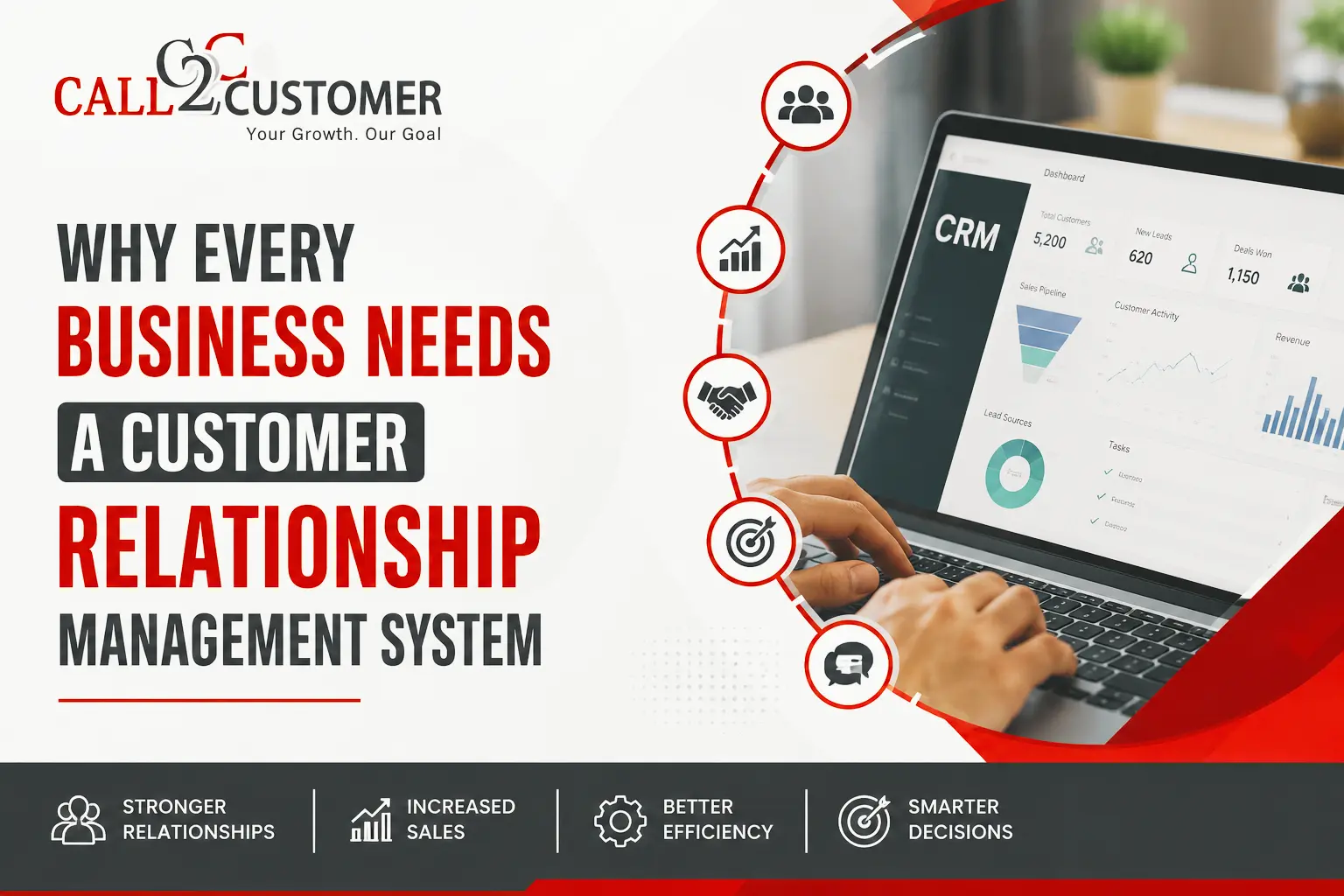
A CRM system is software made to help businesses handle interactions with current customers as well as people you might reach in the future. It gathers customer details by tracking their past communication, which helps in running through sales pipeline stages. It is great for automating routine workflows, and gives you meaningful observations via analytics. When all customer related information sits in one location, a CRM lets businesses create more personal experiences and form stronger, more reliable relationships.
Benefits of Implementing a CRM System
1. Centralized Customer Information
One of the primary advantages of a CRM is it can keep basically all client info together, in one place that’s easy to reach, without the usual hassle. All the details of clients like Contact details, purchase history, communication records, support tickets, and client preferences are organized in one platform. Agents do not have to search through spreadsheets or multiple applications all the time for details.
When agents have full client profiles, they can respond quicker, so the clients feel more satisfied.
2. Improved Sales Performance
CRM software simplifies the sales process for teams to help them manage prospects and follow every step of the sales funnel. It allows team to concentrate on the highly qualified leads, set reminders for following up, and track client’s process.
With better organization and improved insights, companies are able to decrease their sales cycles, boost their conversion rates, and increase their income.
3. Enhanced Customer Service
CRM systems provide agents with instant access to previous interactions, allowing them to resolve issues more efficiently.
CRM systems provide agents all the details of past communications, which enables them to handle client’s inquiries more quickly and responsibly.
4. More Effective Marketing Campaigns
CRM helps in planning more targeted marketing campaigns through client information regarding their demographics, purchases made by them, preferences, and interaction history. Instead of bombarding them with generic marketing messages, organizations can plan for content which can target specific audience segments and become relevant for them.
The outcome of this process is typically increased client engagement and enhanced conversion rate.
5. Increased Team Collaboration
The departments such as sales and marketing, customer services, and management may require the same details of clients. A CRM system helps to prevent the creation of data silos by providing a common ground for all these departments to collaborate efficiently. In addition to improved communication and reduced duplication of efforts, this approach helps provide consistency to clients regardless of the department that they contact first.
6. Workflow Automation
Routine business functions can all be done automatically using a CRM system. It includes
Sending follow-ups,
Allocating leads,
Setting up reminders,
Issuing invoices and
Entering data.
The benefits of automation include saves effort and time of agents with 100% accuracy. It performs fantastically for call center services such as marketing and sales.
7. Data-Driven Decision Making
Advanced CRM systems provide robust capabilities for reporting and analysis. It allows companies to gauge their performance in different areas.
Executives are able to track important metrics such as:
- Sales revenue and forecasting
- Lead conversion rates
- Customer retention
- Campaign performance
- Customer satisfaction
- Employee productivity
- Employee productivity
These insights support help organizations in continuously improving their strategies required for growth.
8. Scalability for Growing Businesses
As companies grow, managing client relations becomes more difficult. The CRM system scales along with the company’s development, enabling it to handle a large database of clients, a growing team, and increased complexity of business processes.
Industries That Benefit from CRM Systems
CRM solutions are valuable across virtually every industry, including:
- Retail and e-commerce
- Healthcare
- Financial services
- Real estate
- Education
- Manufacturing
- Hospitality
- Professional services
- Information Technology
- Telecommunications
Any industries that need client’s interaction can benefit from improved relationship management and operational efficiency.
Choosing the Right CRM
Choosing the right CRM is one of those tasks that sounds “simple” until you dig in. Basically, picking the right CRM should follow your business goals, company size, budget boundaries, and the day-to-day operational needs. Some key things to weigh are things like:
- Ease of use
- Customization options
- Integration with existing software
- Automation capabilities
- Mobile accessibility
- Reporting and analytics
- Data security
- Scalability
- Customer support
- Pricing
A CRM should align with current business needs while supporting future growth.
Conclusion
A Customer Relationship Management system helps in collecting client data, and improve customer services. It automates processes, and gain useful business insights that is beneficial in improving sales. With the constant increase of expectations of customers, a company needs to be well-prepared to provide personalized customer experience, customer loyalty, and growth. Choosing a proper CRM for your business will fulfil your dreams of establishing relationships with your customers, which will pay off in the future.
FAQs
1. What is a Customer Relationship Management system?
It is a software that has ability to help businesses in managing customer interactions by organizing their data, and tracking sales opportunities. It automates workflows that helps in improving customer service. It provides a centralized platform that enables teams to build stronger customer relationships.
2. Why is a CRM important for businesses?
Customer management helps businesses improve client’s satisfaction by streamlining communication. It’s feature of automate repetitive tasks, and gain valuable insights into client behaviour increases sales. It also enables teams to work more efficiently by keeping all customer information in one place.
3. Which businesses should use a CRM?
Businesses of all types and sizes can benefit from it. It is helpful for startup, or a small business, in managing customer relationships more effectively. Large enterprises can also benefit from it. Industries that rely on CRM systems are
· Retail,
· Healthcare,
· Real estate,
· Finance,
· Manufacturing,
· Education, and
· Professional services.
4. How does a CRM improve sales performance?
It helps in sales automation, and customer management teams in managing leads, and monitor sales pipelines. As the sales process becomes more visible, it becomes possible for the company to identify opportunities, and also close deals fast.
5. Is it possible for a CRM to enhance customer service?
The customer care team would be able to have access to information such as past conversation and purchasing history of the calling party using the CRM. In turn, they will offer better customer service through fast and personalized service delivery.